
A dedicated energy reserve for AI infrastructure constrained by power.
Dependable electricity is becoming a deciding factor in where AI can grow. QEYS Energy is developing QEYS Reserve to give data centers greater control over their energy supply, with stored fuel that can be replenished on site alongside grid and natural-gas power.
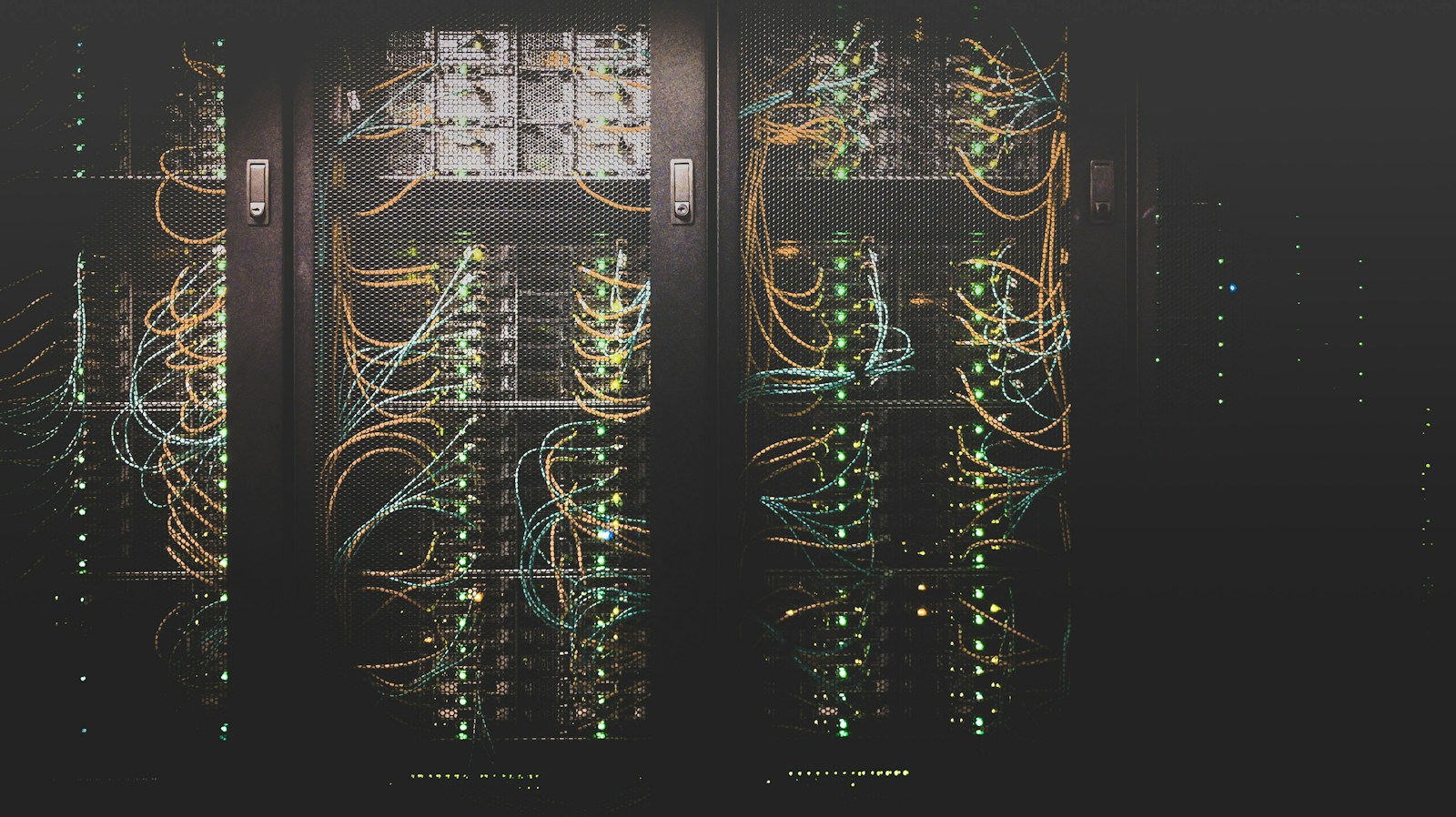
AI’s growth requires a major expansion of physical infrastructure.
Training models and running AI applications require large clusters of processors, supported by networking, cooling, and electrical systems. Data centers bring that equipment together. Their capacity to deliver useful computing depends on a dependable supply of electricity.
New data centers can be built faster than the power infrastructure they need. Grid access can determine when a campus opens; power interruptions can leave valuable computing capacity idle. As AI investment grows, the energy supply becomes part of the investment case.
Compare the power options available to operators →U.S. data-center electricity demand is projected to more than triple by 2030.
Berkeley Lab’s reference case rises from 192 to 649 terawatt-hours a year. At an illustrative electricity rate of 10¢ per kWh, that is equivalent to an annual electricity bill rising from about $19 billion to $65 billion.
| Annual U.S. demand | 2024Estimate | 2030Reference case |
|---|---|---|
| Electricity use | 192 TWh | 649 TWh |
| Electricity cost at 10¢/kWh | $19.2 billion | $64.9 billion |
Includes all U.S. data centers, not AI alone. The 2030 demand range is 521–843 TWh. Dollar figures use the same assumed 10¢/kWh rate in both years; they are an illustration, not measured spending or a QEYS market-size estimate.
Read the Berkeley Lab report (PDF) ↗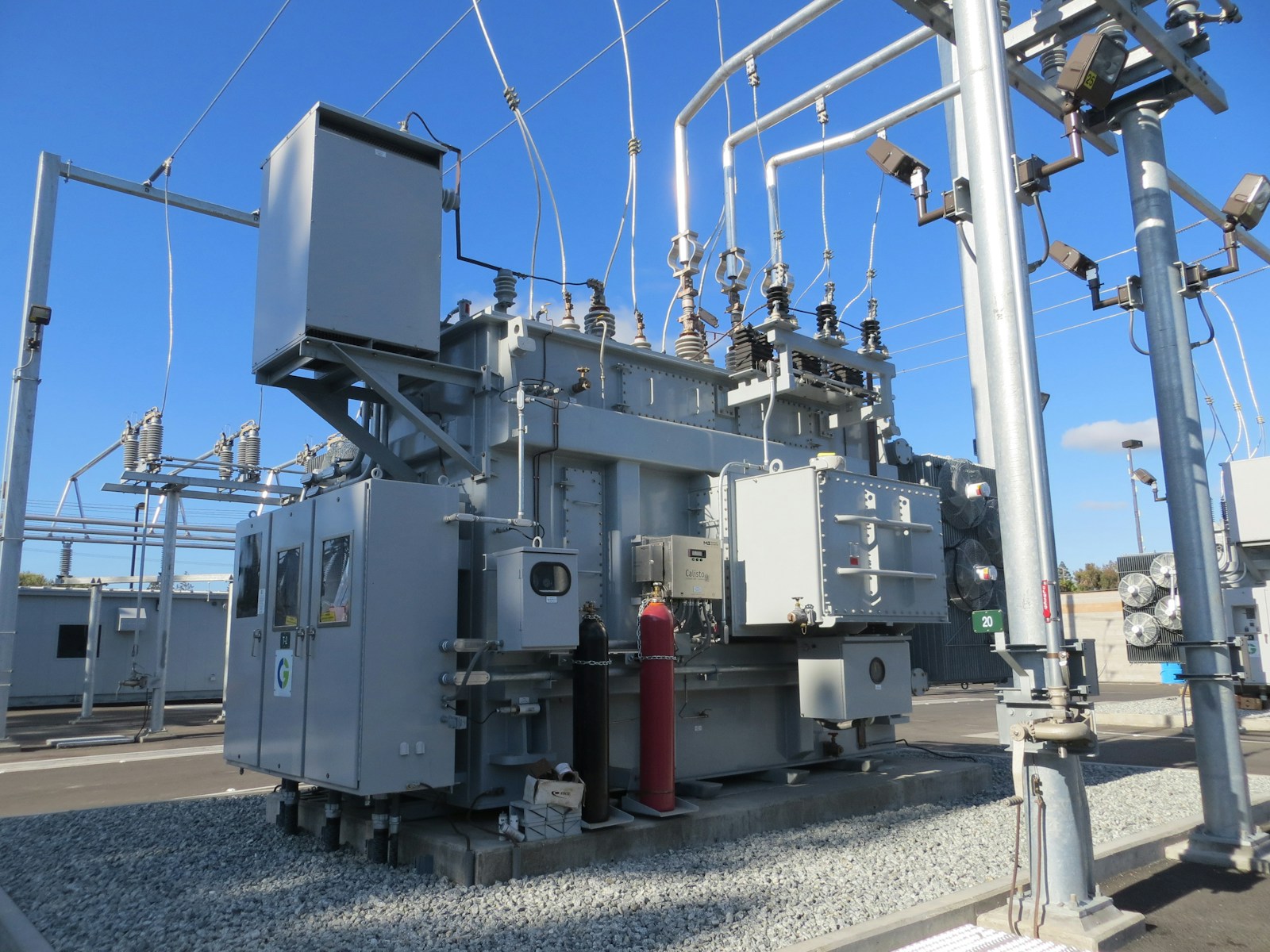
A power reserve operators can replenish at the site.
QEYS Reserve is designed to keep a supply of energy close to the computing infrastructure that depends on it. A solid-ammonia store provides fuel for compatible generation, while a battery responds to rapid electrical changes.
Fuel deliveries can restore the reserve without relying entirely on grid charging. This creates another way to support critical computing when the primary energy supply is interrupted or constrained, including at campuses powered by natural gas.
Explore the QEYS Reserve concept →An industrial ammonia-storage method with a new application.
QEYS has acquired a proprietary method for storing ammonia in a solid material and releasing it on demand. Developed for diesel emissions control, the method supplies ammonia to catalysts that reduce nitrogen oxides, or NOx, in exhaust.
We are adapting that storage and delivery capability for stationary power. The application changes from treating exhaust to supplying a fuel reserve for critical computing, building on an industrial approach to handling ammonia.